Laser Module
Introduction
The core component of the laser module is a laser diode, which is a semiconductor device capable of directly converting electrical energy into laser light energy.
Compared to traditional light sources, laser characteristics come from its unique emission and generation process: When current flows through the laser diode, electrons undergo transitions under specific conditions to release photons. These photons reflect within the medium, exciting more electron transitions, producing a light amplification effect, and forming a highly concentrated laser.
Specifications
Item |
Description |
|---|---|
Name |
Laser Module |
Code |
B0020004 |
Dimension |
28×24×20 mm |
Voltage |
5V-DC |
Control Signal |
Digital Signal / Analog Signal |
Light Source Wavelength |
650 nm |
Ports |
Grove |
Usage
|
|
|
|---|---|---|
Side View |
Front View |
Side View |
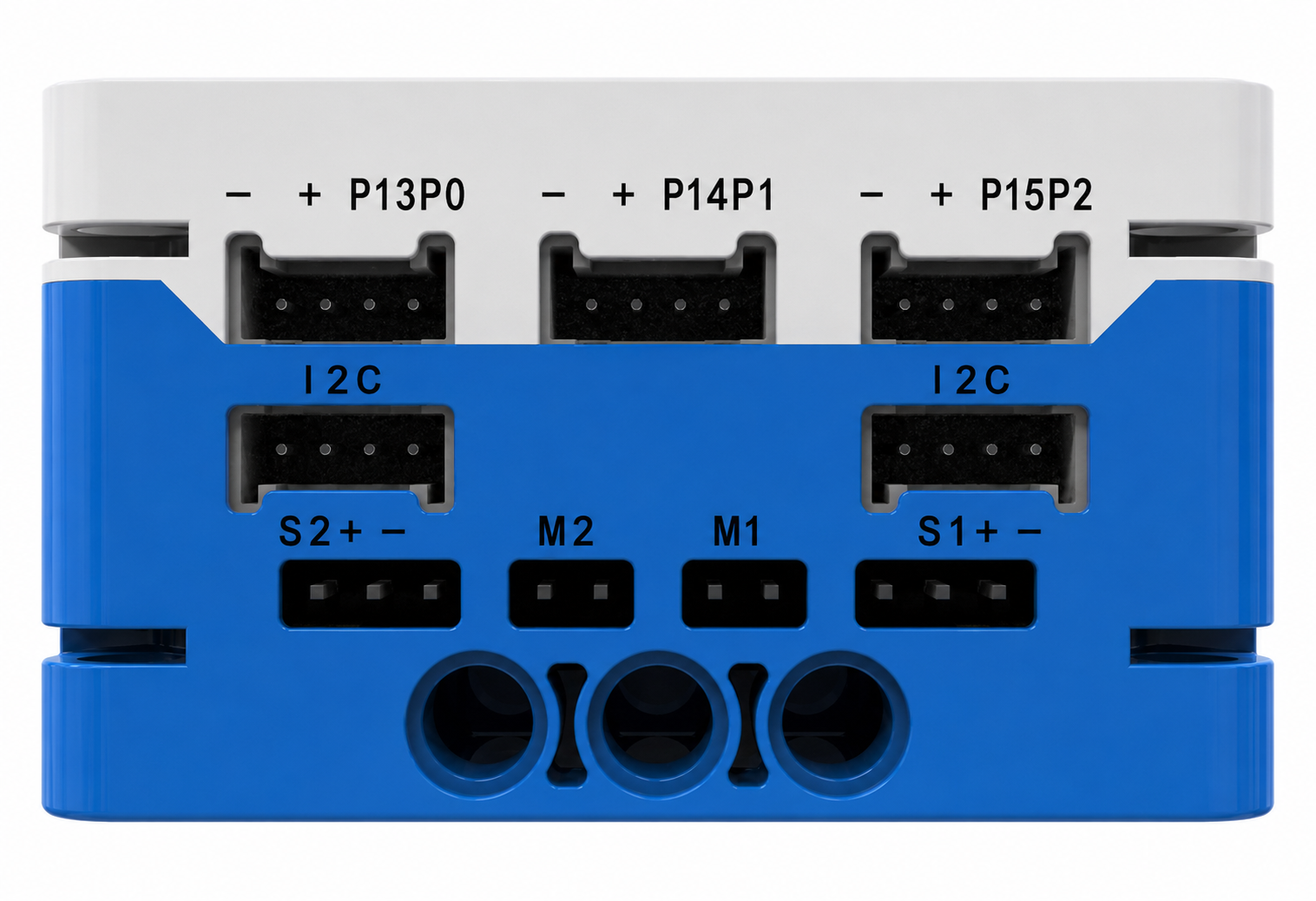
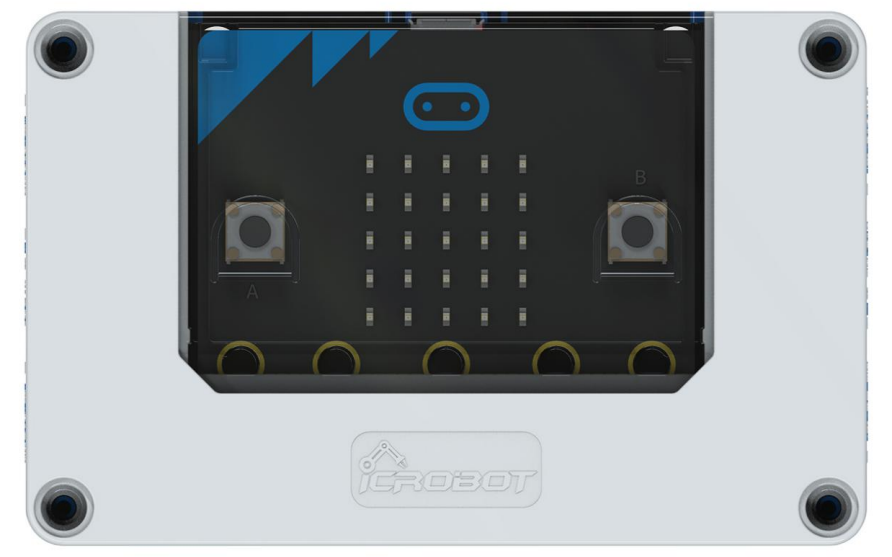
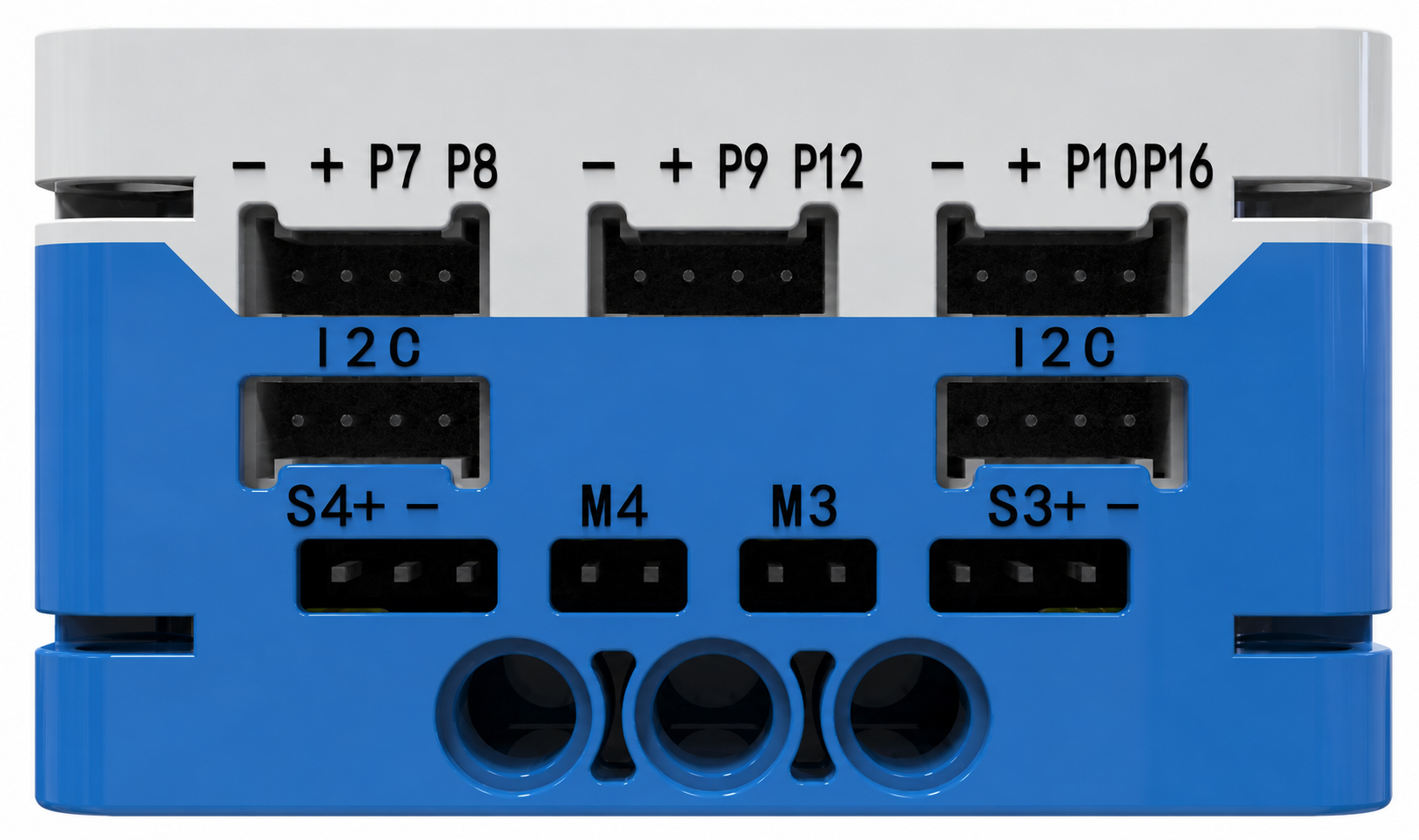
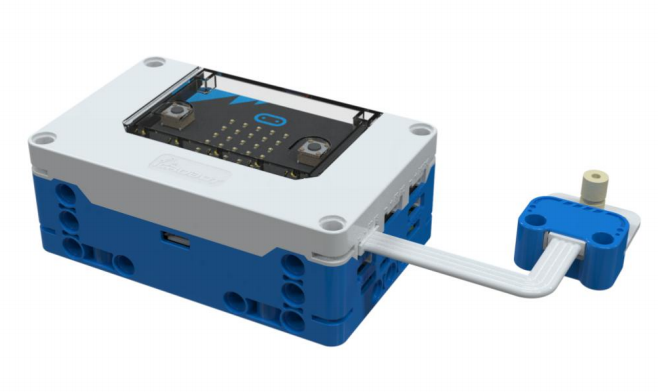
Laser Module Connection Diagram
The laser module can be connected to the KIDZInventor smart hub’s interfaces: P0, P1, P2, P8, P12, and P16.
When controlling the laser module with a digital signal, a high input voltage turns the laser module on, while a low input voltage turns it off.
When controlling the laser module with an analog signal, the greater the input signal, the brighter the laser module; the smaller the input signal, the dimmer the LED light.
Note: Do not aim the laser at the eyes during use, as it may cause permanent eye damage!
Modular Coding
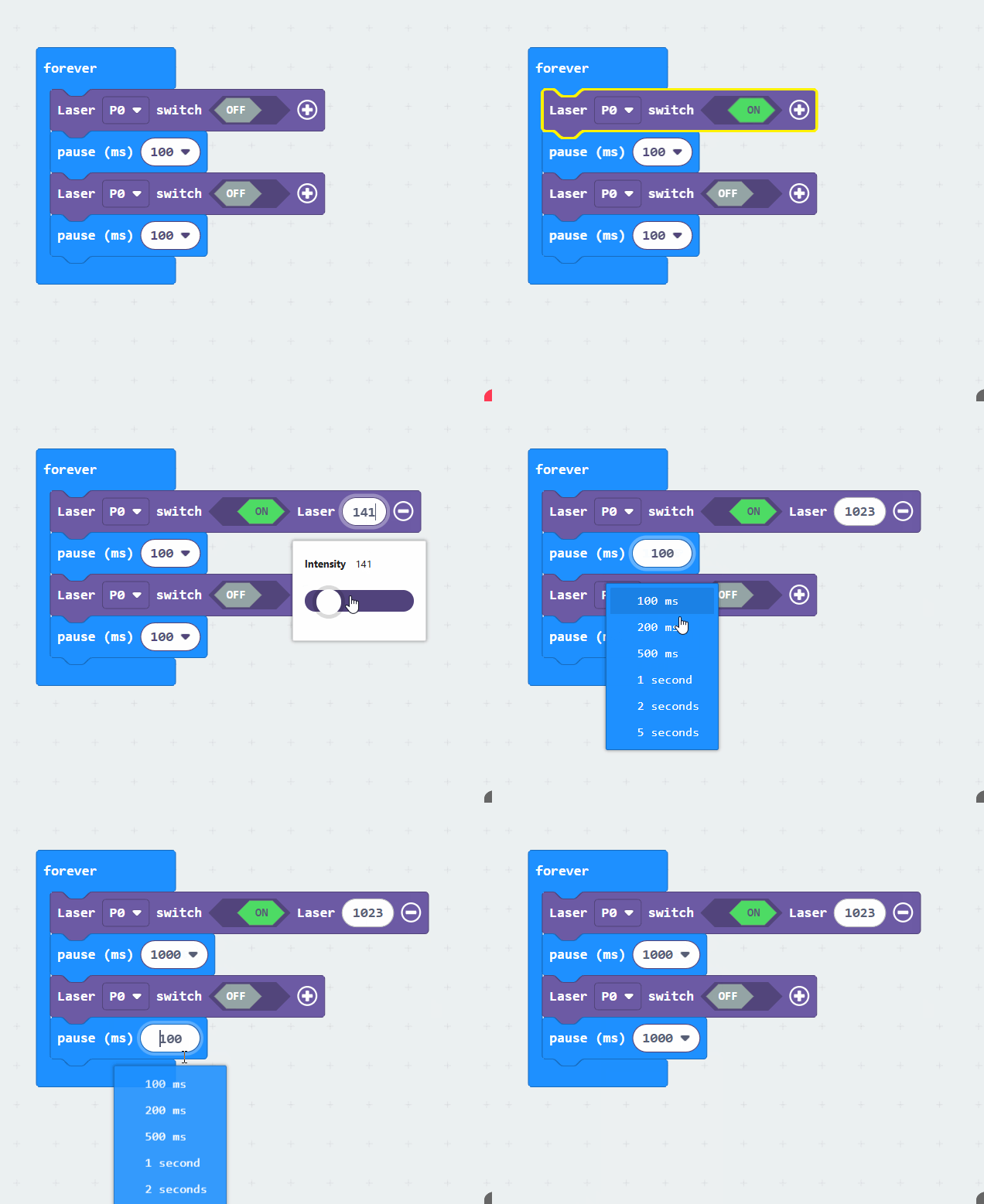
In the MakeCode coding software, by adding the KIDZInventor extension, you can program the laser module to blink, and use the “+” block to adjust the laser’s power.